American River Region: What Wednesday's Winter Storm Means For You
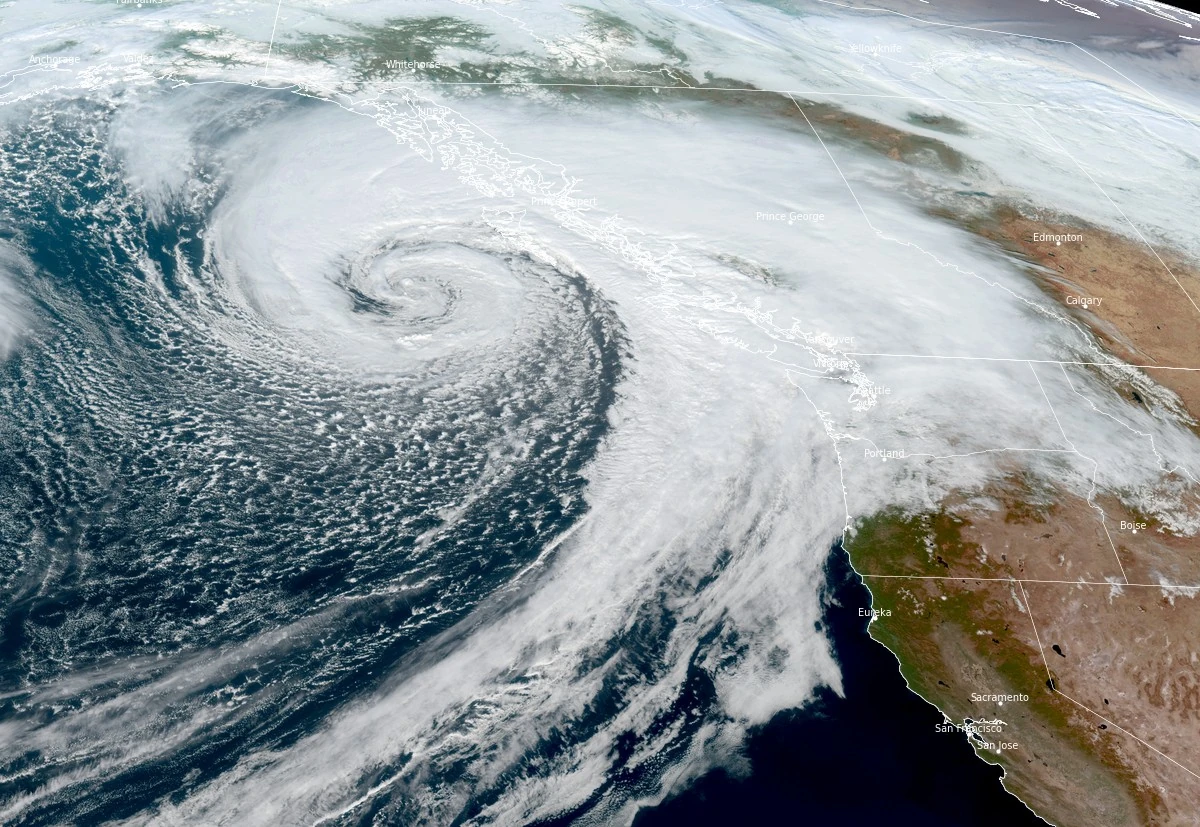
After an unseasonably warm and sunny stretch that felt more like spring than late winter, Northern California is bracing for a dramatic shift in weather. A significant and powerful storm system is poised to sweep across the region on Wednesday, bringing with it a potent combination of heavy rain, robust winds, and substantial mountain snow. For residents and visitors within the picturesque American River Region, understanding the intricate details of this incoming weather event is crucial for preparation and safety. This comprehensive look at the upcoming
NorCal Storm Alert: Brace for Heavy Rain, Wind, & Sierra Snow Wednesday will provide you with all you need to know about what to expect, drawing from the latest northern california forecast.
A Stark Shift in the Northern California Forecast: What to Expect
The idyllic, spring-like conditions enjoyed across Northern California are officially on borrowed time. Wednesday marks the abrupt end of this pleasant interlude as a dynamic low-pressure system moves inland, signaling an "Alert Day" for the entire region, particularly the American River watershed. This designation underscores the hazardous conditions anticipated throughout the day, urging everyone to exercise extreme caution and reconsider non-essential activities.
The storm’s initial greetings will arrive subtly in the early hours of Wednesday morning. Around 5,000 feet in the majestic Sierra Nevada, light snow is expected to begin falling, painting the higher elevations white. Concurrently, rain showers will start developing across the American River Valley and its surrounding foothills. While these initial manifestations might seem mild, they are merely the prelude to a far more intense weather event that will rapidly escalate throughout the day. The
NorCal Weather: Prepare for Power Outages, Flooding, and Travel Hazards ahead signifies a need for proactive measures.
Navigating the Hazards: Rain, Wind, and Travel Disruptions
The Wednesday storm poses significant challenges for daily routines and travel, especially as the day progresses. Understanding the timing and intensity of these impacts is key to planning accordingly.
Morning Commute vs. Evening Onslaught
For morning commuters heading out along the American River Parkway or navigating the streets of Sacramento, the initial hours of Wednesday will likely present scattered showers and relatively light winds. Disruptions during this period are expected to be minimal, allowing for a somewhat normal start to the day. However, this calm is deceptive.
As the day transitions into afternoon, the storm's intensity will dramatically increase. Rain will become significantly heavier and more widespread, setting the stage for a potentially hazardous evening commute. The latest northern california forecast indicates the heaviest rainfall is projected to move directly into Sacramento between 4 and 5 p.m., directly coinciding with peak rush hour. This deluge will particularly impact communities situated along the lower American River, where rapid accumulation and rising water levels become a concern.
Adding to the complexity, strong wind gusts are also anticipated. These gusts won't just make driving more challenging; they can create additional travel hazards such as downed tree limbs or debris on roadways. Furthermore, the combination of saturated ground and powerful winds significantly increases the risk of localized power outages across the region. Preparing for these eventualities by charging devices and having an emergency kit ready is a wise precaution.
By approximately 10 p.m., the widespread, steady rain is expected to begin tapering off, offering some respite. However, the storm won't vanish completely. Lingering showers and the possibility of thunderstorms are forecast to persist well into Thursday afternoon, meaning the need for vigilance extends beyond Wednesday evening.
Sierra Travel Warnings
For those planning to travel through the Sierra Nevada, particularly along Highway 50, the message is clear and urgent: *travel is strongly discouraged unless absolutely necessary*. The mountain passes will experience severe conditions, with heavy snowfall commencing above 5,000 feet. This significant accumulation, combined with gusty winds, will drastically reduce visibility and create treacherous driving conditions. Road closures, chain controls, and prolonged delays are highly probable, making any non-essential journey extremely risky. Prioritizing safety by postponing mountain travel is the most responsible course of action.
Understanding Rainfall and Snowfall Totals
The sheer volume of precipitation expected from this storm underscores its significance. Different elevations and regions within the American River watershed will experience varying, yet impactful, totals.
*
Sacramento Valley: Residents in the valley can anticipate receiving over an inch of rain. While this might not seem extraordinary, rapid accumulation during the heaviest periods can overwhelm drainage systems, especially in urban areas.
*
Foothills and Upper Watershed: These areas are in the direct path of significant moisture and are projected to receive up to 3 inches of rain. The topography of the foothills often leads to orographic lift, where rising air cools and condenses, squeezing out more precipitation. This higher rainfall in the upper watershed has direct implications for river levels downstream.
*
High Sierra: Above 5,000 feet, the forecast calls for significant snowfall. While specific totals can vary, this implies several feet of fresh snow in some areas, exacerbating travel difficulties and creating avalanche risks in backcountry areas.
These rainfall totals, particularly in the foothills and upper watershed, are critical for water management and flood preparedness. Residents residing near the American River and its numerous tributaries must stay highly alert for rapidly rising water levels. Low-lying areas and known floodplains are particularly susceptible to localized flooding. It's advisable to check your local city or county's flood preparedness resources for specific alerts and information relevant to your immediate vicinity.
Preparing for the Storm: Actionable Advice for Residents
Being proactive is the best defense against the potential impacts of this powerful winter storm. Here are some actionable steps you can take to ensure your safety and minimize disruptions:
*
Secure Outdoor Items: Strong winds can turn loose items into projectiles. Bring in patio furniture, trash cans, garden decorations, and any other items that could be blown away or cause damage.
*
Prepare for Power Outages: With wind gusts and saturated ground, power outages are a real possibility. Charge all your electronic devices (phones, laptops, power banks). Have flashlights with fresh batteries, a battery-powered radio, and an emergency kit readily accessible. Consider having alternative heating methods if you rely solely on electricity.
*
Clear Drains and Gutters: Ensure that storm drains, gutters, and downspouts around your property are clear of leaves and debris. This will help manage rainfall runoff and prevent localized flooding around your home.
*
Monitor Water Levels: If you live near the American River or any of its tributaries, keep a close watch on water levels. Sign up for local emergency alerts, which often include flood warnings. Be aware of your property's flood risk.
*
Avoid Floodwaters: Never attempt to drive, walk, or bike through flooded areas. "Turn around, don't drown" is a critical safety mantra. Even shallow water can hide dangerous debris or currents.
*
Stay Informed: Continuously monitor local news, weather apps, and official government advisories for the latest updates on the northern california forecast. Conditions can change rapidly, and staying informed is paramount.
*
Review Emergency Plans: Discuss emergency plans with your household members. Know evacuation routes if you live in a flood-prone area and have a designated meeting point.
Conclusion
Wednesday's winter storm marks a significant weather event for the American River Region and the broader Northern California area. While the sunny days are temporarily behind us, a period of vigilance and preparedness is now in full effect. From the heavy rainfall in the valleys and foothills to the significant snowfall in the Sierra, the storm demands respect and proactive measures. By understanding the timing, potential hazards, and taking the recommended precautions, residents can navigate this challenging weather safely and minimize its impact. Remember to stay informed through official channels, prioritize safety over convenience, and be prepared for potential disruptions. The storm may be powerful, but a prepared community is even stronger.