After a delightful stretch of unseasonably warm and sunny conditions that felt more like spring than late winter, Northern California is bracing for a dramatic shift. A significant winter storm system is poised to sweep across the region on Wednesday, bringing with it a potent combination of heavy rain, fierce winds, and substantial Sierra snowfall. This abrupt change marks an "Alert Day" for many communities, signalling hazardous conditions that demand immediate attention and preparation from residents.
For days, the northern california forecast has pointed towards this imminent atmospheric onslaught, and now it's just hours away. From the bustling streets of the Sacramento Valley to the serene, snow-capped peaks of the Sierra Nevada, everyone in Northern California needs to understand the potential impacts and take proactive steps to ensure safety and minimize disruption. The tranquil weather is officially over; it's time to prepare for a true winter storm.
The Approaching NorCal Storm: What to Expect
This mid-week storm isn't just a typical rainy day; it's a comprehensive weather event designed to test the resilience of Northern California. Residents across the vast expanse of the state, from coastal communities to the high country, will experience its effects, though the intensity and nature of these impacts will vary significantly by elevation and geography. Understanding the timing and specific characteristics of the storm is crucial for effective preparation.
Timing is Everything: From Morning Showers to Evening Deluge
The storm's arrival will be a gradual process on Wednesday, intensifying throughout the day. Early risers in the American River Valley and surrounding foothills can expect scattered rain showers, coupled with relatively light winds. Similarly, light snow is projected to begin falling in the Sierra Nevada, generally above 5,000 feet, as the day dawns. Morning commutes along the American River Parkway and within the Sacramento metropolitan area should experience minimal disruptions during these initial hours.
However, this benign start is merely a prelude. As Wednesday progresses into the afternoon, the storm will significantly ramp up. Rain will intensify dramatically, transitioning from scattered showers to a widespread, steady downpour. This escalation means that the evening commute, particularly for those in and around Sacramento and along the lower American River, could become treacherous. The heaviest rainfall is anticipated to sweep through Sacramento between 4 and 5 p.m., coinciding perfectly with peak traffic hours. This timing underscores the importance of adjusting travel plans and being prepared for slick roads, reduced visibility, and potentially rapid changes in driving conditions.
Sierra Snow: Travel Warnings and Mountain Impacts
While the valleys brace for rain, the high country will be contending with heavy snowfall and gusty winds. The initial snowline around 5,000 feet will contribute to significant accumulation in the higher elevations. This isn't just a picturesque dusting; we're talking about conditions that will make mountain travel extremely difficult and hazardous. Caltrans and local authorities are strongly discouraging non-essential travel along crucial routes like Highway 50 through the Sierra.
Why such a strong warning? Heavy snowfall combines with powerful wind gusts to create whiteout conditions, drastically reducing visibility. Roads can become slick with ice and compacted snow, and treacherous curves become even more dangerous. The risk of spinouts, chain control requirements, and even temporary road closures becomes very real. Anyone contemplating a trip to the Sierra on Wednesday should seriously reconsider or be prepared for prolonged delays, difficult driving, and the potential for being stranded. The latest northern california forecast for mountain passes emphasizes extreme caution.
Rainfall Totals and Potential Hazards Across Northern California
Beyond the immediate disruption to commutes, this storm carries the potential for more widespread and serious impacts, primarily driven by the sheer volume of precipitation and the accompanying wind. Residents need to be aware of localized flooding risks and the possibility of power outages, especially in areas prone to such events. The varying rainfall totals across different elevations highlight the localized intensity of this system.
Beyond the Rain: Wind Gusts and Power Outage Risks
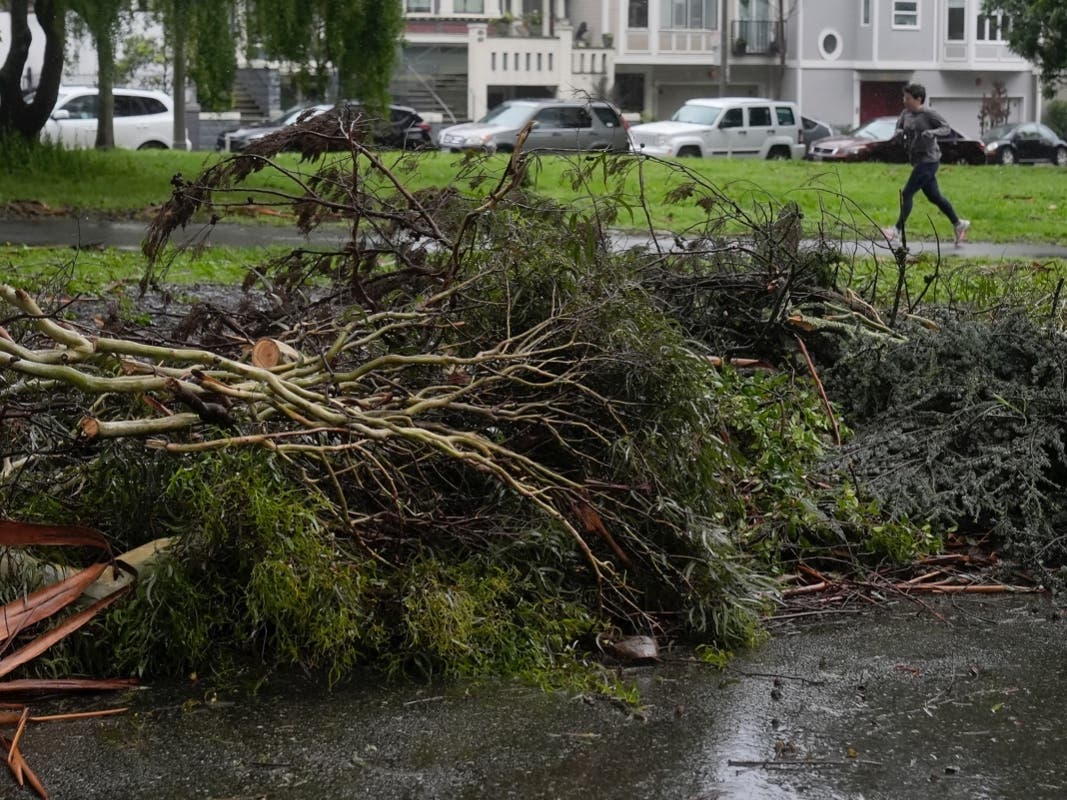
It's not just the rain; strong, gusty winds will be a significant factor throughout the day and into the evening. These winds, while perhaps not reaching hurricane force, will be powerful enough to cause considerable hazards. Trees, especially those with weakened limbs or in saturated ground, become vulnerable to falling. These falling trees and branches can block roadways, creating additional travel dangers, and more importantly, they pose a substantial threat to power lines.
The combination of high winds and heavy, saturating rain significantly increases the likelihood of localized power outages across Northern California. Utility crews will be on high alert, but restoration efforts can be delayed by ongoing hazardous conditions. It's crucial for households to prepare for potential electricity loss, ensuring cell phones and other devices are charged, having flashlights and extra batteries readily available, and knowing how to safely operate generators if applicable. For more in-depth guidance on preparing for and managing outages, you can consult our detailed guide: NorCal Weather: Prepare for Power Outages, Flooding, and Travel Hazards.
Flooding Concerns: Protecting Homes and Communities
The anticipated rainfall totals are substantial, raising concerns about rising water levels and localized flooding, particularly in low-lying areas and near waterways. The Sacramento Valley is expected to receive over an inch of rain, while the foothills and upper watershed could see significantly more, with totals reaching up to 3 inches. This volume of water, falling on already saturated ground from previous winter rains, can quickly overwhelm drainage systems and small creeks.
Residents living near the American River and its various tributaries should remain especially vigilant. The sudden influx of water can lead to rapid increases in water levels, making streams and rivers dangerous and creating localized flooding in adjacent properties. It's advisable to clear storm drains around your home of leaves and debris, and if you live in an area prone to flooding, consider having sandbags on hand. Staying informed about local advisories and understanding evacuation routes is also critical. For a focused look at how this storm impacts specific areas along the river, read American River Region: What Wednesday's Winter Storm Means For You.
Preparing for the Storm: Essential Tips for NorCal Residents
Proactive preparation is your best defense against the potential disruptions of this storm. Don't wait until the rain is pouring and the wind is howling to take action. A few simple steps taken now can make a significant difference in your safety and comfort.
- Secure Outdoor Items: Anything that can be picked up by strong winds – patio furniture, trash cans, garden decor, trampolines – should be brought inside or securely tied down. This prevents property damage and eliminates potential projectiles.
- Emergency Kit Ready: Ensure your emergency kit is stocked with essentials like flashlights, extra batteries, a NOAA weather radio, first-aid supplies, non-perishable food, water, and any necessary medications.
- Charge Devices: Fully charge your cell phones, laptops, and power banks. If power outages occur, these will be your lifelines for communication and information.
- Fuel Up: Top off your vehicle's gas tank. Power outages can affect gas stations, and a full tank ensures you have power for your car and can potentially charge devices.
- Clear Drains and Gutters: Ensure gutters are free of debris to allow for proper water runoff, preventing water from pooling around your home or foundation.
- Review Travel Plans: If you have non-essential travel planned for Wednesday, especially in the afternoon or evening, consider postponing or rescheduling. If travel is unavoidable, allow extra time, drive slowly, keep headlights on, and maintain a safe distance from other vehicles. Avoid driving through standing water.
- Stay Connected: Bookmark official weather resources and local news sites. Sign up for emergency alerts from your county or city.
Remember, the goal is to be self-sufficient for at least 72 hours in the event of widespread outages or road closures. Your diligent preparation makes not only your household safer but also eases the burden on emergency services.
Staying Informed: Reliable Sources and Real-Time Updates
In a rapidly evolving weather situation like the one anticipated for Wednesday, staying connected to accurate, real-time information is paramount. While social media can offer glimpses of local conditions, it's vital to rely on official channels for the most reliable northern california forecast and safety advisories.
The National Weather Service (NWS) is your primary and most authoritative source for weather alerts, warnings, and detailed forecasts. Their website provides comprehensive radar, satellite imagery, and specific zone forecasts. Local news stations (TV, radio, and online) also play a critical role, often providing localized reporting, road closure updates, and interviews with emergency officials. Many counties and cities offer emergency alert systems (often via text or email) that can provide immediate notifications about critical developments in your specific area. Consider downloading a reliable weather app that offers push notifications for severe weather alerts in your location.
Do not underestimate the power of these systems to keep you safe. A few moments spent checking official channels can inform crucial decisions about your commute, your children's school schedule, or whether you need to take additional precautions at home. Be skeptical of unverified information and always cross-reference with official sources.
Wednesday's storm is set to deliver a significant punch to Northern California, marking a decisive end to the recent mild weather. From heavy rain and strong winds in the valleys to considerable snow in the Sierra, the potential for hazardous conditions, travel disruptions, and localized power outages is high. By understanding the northern california forecast, preparing your home and vehicle, and staying informed through official channels, you can navigate this winter weather event safely and with minimal stress. Prioritize safety, make wise decisions about travel, and be ready for whatever Mother Nature sends our way. The storm will pass, but your preparedness today will determine your well-being tomorrow.